
Nothing is booked until you have met them
Home Care in Miramar, Where You Meet the Aide First
Bathing and dressing, meals, company, housekeeping and a steady arm on the stairs — and before a single hour of it is arranged, the person who would be doing it sits in your front room and you decide.
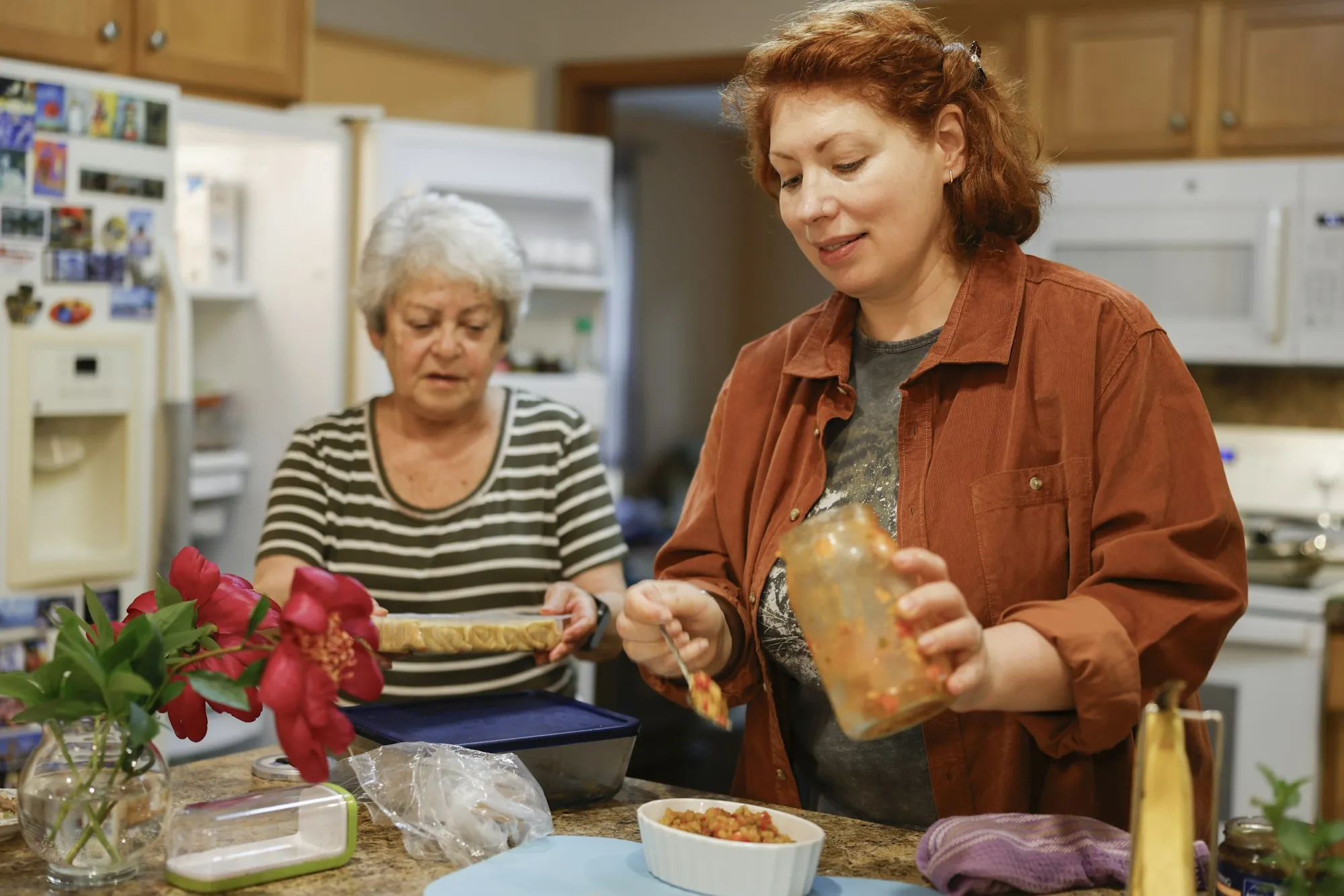
Hiring somebody sight unseen is the part nobody likes
Most agencies take the call, take the details and send whoever is available that day. The name arrives with the person. We do it the other way round.
The name comes first
On the telephone you are told who we have in mind, what they are like and why we think they suit this particular house.
Then an hour in your front room
They come and sit with you. Nothing is washed, cooked or tidied — it is a conversation, so you meet a person rather than a description of one.
You decide afterwards
If it is not right you say so and we go back to the list. Nothing has been booked, so there is nothing to unpick.
What an aide does here
Eight kinds of help, bought by the hour and mixed in whatever proportion the week actually needs.
Home Health Aide Services
The whole working hour — washing, moving, meals and the house — done by one trained aide.
What this covers →02Personal Care
The hands-on half — showering, getting dressed, the bathroom — done by a familiar face.
What this covers →03Companion Care
Company, conversation and small outings — the least intrusive place to begin.
What this covers →04Bathing, Dressing & Grooming Assistance
The wet-room half hour, handled calmly by somebody already introduced.
What this covers →05Mobility Assistance & Fall Prevention
A steady arm, safer routes through the house, and the hazards taken out first.
What this covers →06Meal Preparation & Nutrition Support
Food that gets cooked and actually eaten, because somebody sits down to it too.
What this covers →07Light Housekeeping
Enough housework to keep a home safe and workable, done inside the visit.
What this covers →08Private Pay Home Care
Paid for directly, by the hour, with the rate said out loud on the first call.
What this covers →Why families go this way round
This is an AHCA licensed agency, which fixes what an aide may and may not do inside a house. Everything past that is a matter of how an agency chooses to work, and this is how we choose.
An introduction with no work in it
The first visit is an hour of talking. Nobody is washed, nobody is fed and nothing is cleaned, because the point is for you to meet a person rather than to inspect a shift.
You can say no without a reason
If the fit is wrong, wrong is reason enough. You do not have to explain it, defend it or wait for a review date — we go back to the list and bring somebody else.
We describe the person, not the role
Before anyone travels you are told how they talk, how quickly they work, whether they fill a silence or leave it alone. A job title tells you none of that, and it is the part that decides whether this lasts.
The second name is agreed at the same time
At that same meeting you settle who covers the weeks your regular aide is away, so cover is somebody you have already heard described rather than a stranger on a Monday morning.
Four steps, and you can stop at any of them
From first call to first working visit is usually under a fortnight, and three of the four steps cost nothing to walk away from.
You tell us about the house
Twenty minutes on the telephone: who lives there, what has become difficult and which part of the day it bites hardest. Private pay rates are discussed on that call, so the figure is never a late surprise.
We put forward a name
One aide, described properly — manner, pace, experience, and why this house rather than another. If the description already sounds wrong, say so and we go again before anybody travels.
They come and you meet them
An hour in your own sitting room, with a supervisor there as well. Ask them whatever you want. Nothing is booked and nothing is signed at that visit.
You confirm, and the days go in
Only once you have said yes do we agree days, hours and the cover name, and the first working visit goes into the diary.

Ask for a name before you ask for a price
Tell us who the care is for and which part of the day has become hardest. You come off that call with the name of the aide we would send, an honest account of what they are like, and a time for them to be met.
Ask who would come — (754) 295-3998Miramar, and the streets that run out from it
Aides are matched by where they live as well as by manner, because a short drive is what keeps a steady weekly slot alive across a whole year.
Most of this work sits in Miramar itself — Vizcaya, Riviera Isles, Silver Lakes, Monarch Lakes and the older streets east of Red Road — and runs out across Pembroke Pines, Hollywood, Davie, West Park and Cooper City. If you sit at the edge of that, ask: the answer turns on who is already working nearby.

The questions that come up on the first call
Short answers. The longer version is a conversation, and that is what the telephone is for.
Can we meet the aide first, and swap them later if the fit is wrong?
Both, and the meeting is simply how a placement starts here. The introduction happens in your own home, lasts about an hour and contains no work at all. If you would rather not go ahead afterwards, that is the end of it. If it goes well and then sours in month three, the same applies: tell us and we change the name.
What does an aide actually do, and where does the line stop?
Washing, dressing and grooming; safe movement around the house; cooking and sitting down to the meal; kitchen, bathroom, beds and laundry; and plain company through all of it. Outside the line sit injections, wound dressings, catheters and tubes, clinical readings and anything to do with medication. Those are a nurse's work, and we will say so rather than quietly stretch the boundary.
Where does companion care stop and personal care start?
The dividing line is touch. Personal care is the shower, the dressing and the walk to the lavatory. Companion care is everything that happens without touching: conversation, a shared meal, a walk to the shop, an eye on how the week is going. Companion hours cost less, which is why a lot of houses begin there and add personal hours only once they are genuinely needed.
Are we tied into a contract?
No. Cover is arranged week by week and either side can end it on reasonable notice. Nothing locks a family into a block of months, and nothing at all is signed at the introduction visit.
Can you help if there is memory loss or dementia?
Within non-medical limits, yes. An aide can hold a routine steady, keep the rooms safe, prompt a meal and stay even-tempered through repetition, and continuity counts for more here than anywhere else, which is the argument for the same face each time. What we do not run is a clinical memory programme, and if behaviour has moved past what a non-medical aide can hold, we will say that plainly.
Can the aide drive my mother to appointments in her own car?
No. Our aides do not drive clients, in their own vehicle or the family's. What they can do is have somebody ready in good time, walk them out to whoever is driving and be at the door when they are brought back.
Is there a smallest booking you will take?
The floor sits on the visit rather than on the week, because half an hour gives nobody long enough to do the work properly or to see how somebody really is. The exact figure depends on travel and on the kind of help, and we state it on the first call rather than leaving you to discover it.

Start with a name, not a form
One call gets you the name of the aide we would put into this house, a straight description of them, and a time for them to come and be met.
Ask who would come — (754) 295-3998